
Содержание
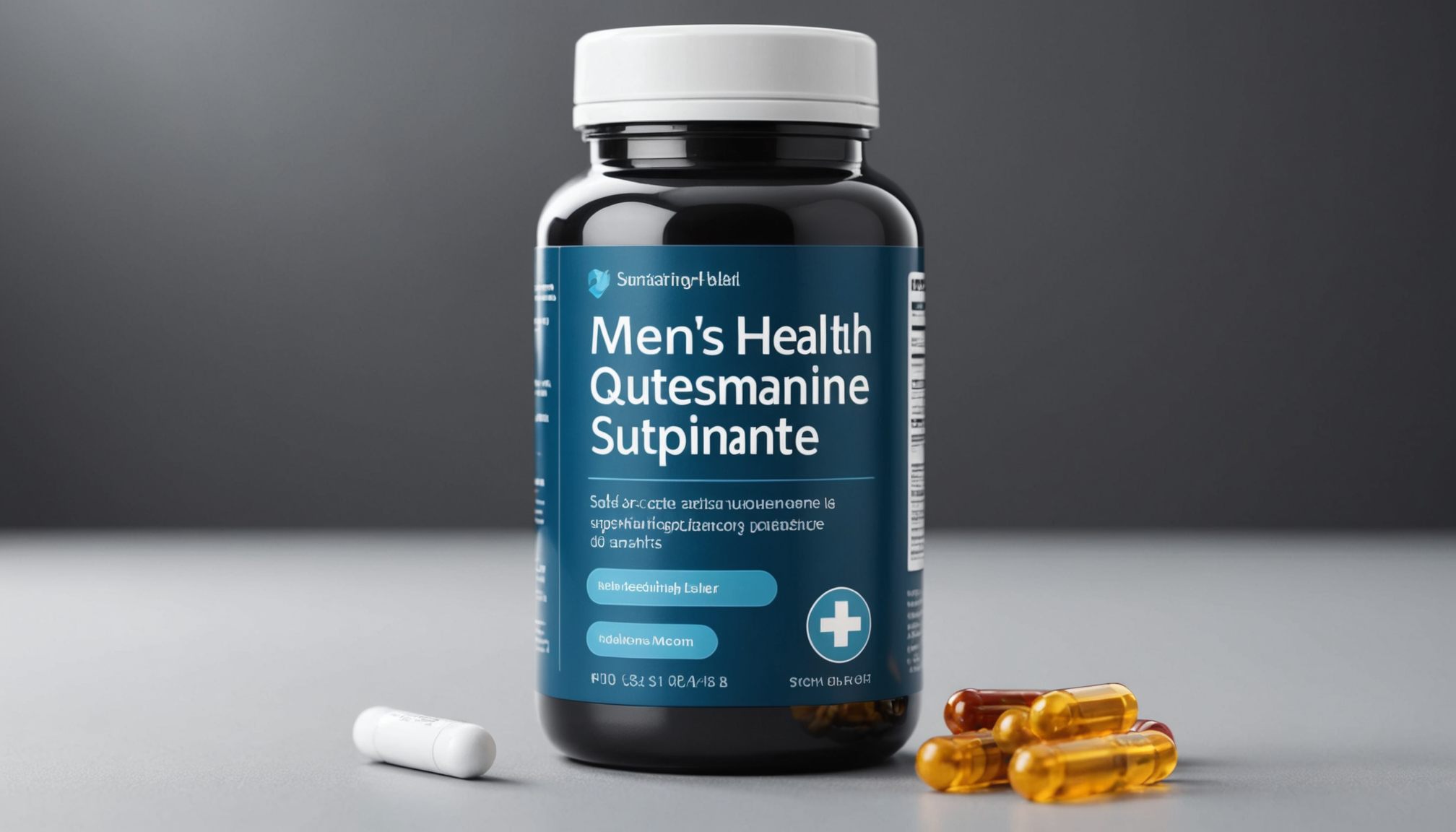
Men’s sexual health supplements
Disclaimer: This self‑check questionnaire is for educational purposes only. It does not diagnose any condition and does not replace professional medical advice. If you have concerns, worsening symptoms, or uncertainty, please consult a qualified healthcare professional.
Questionnaire
Use the checklist below to reflect on your current situation before considering men’s sexual health supplements. Answer honestly with “Yes,” “No,” or “Not sure.”
- Have you noticed changes in sexual desire, performance, or satisfaction lasting more than 4–6 weeks?
- Do symptoms fluctuate with stress, sleep quality, or workload?
- Have you experienced fatigue, low energy, or mood changes alongside sexual concerns?
- Are there relationship or psychological factors (anxiety, low mood, performance worries) that coincide with symptoms?
- Did symptoms begin after starting or changing medications, supplements, or recreational substances?
- Do you have a history of cardiovascular, metabolic, hormonal, or urological conditions?
- Is there a pattern related to alcohol intake, smoking, or substance use?
- Have you tried lifestyle changes (sleep, exercise, nutrition) for at least 2–4 weeks without improvement?
- Do symptoms worsen during periods of poor sleep or high stress?
- Have you noticed pain, discomfort, or unusual sensations during sexual activity?
- Are there morning changes (e.g., reduced spontaneous responses) compared with the past?
- Do symptoms interfere with daily functioning, confidence, or quality of life?
- Have you researched supplements and feel uncertain about safety, interactions, or evidence?
- Are you considering supplements primarily due to marketing claims rather than professional advice?
- Have symptoms been progressively worsening?
How to interpret answers
Use this guide to understand whether additional support may be helpful. This is not a diagnosis.
- Low reason to seek help: Mostly “No,” symptoms are mild, short‑lived, and closely linked to temporary stress or lifestyle factors. Self‑monitoring and lifestyle optimization may be reasonable.
- Medium reason to seek help: Several “Yes” or “Not sure,” symptoms persist beyond a month, or there is uncertainty about supplements, interactions, or effectiveness. Consider discussing options with a healthcare professional.
- High reason to seek help: Many “Yes,” symptoms are worsening, affect quality of life, involve pain, or coexist with chronic conditions or medication changes. Seek medical advice before using supplements.
Next steps: what to do
- Track symptoms: Note onset, duration, triggers, and fluctuations over 2–4 weeks.
- Review lifestyle basics: Sleep (7–9 hours), balanced nutrition, regular physical activity, and stress management.
- List current products: Medications, supplements, caffeine, alcohol, and nicotine.
- Check safety first: Look for third‑party testing, clear dosing, and transparent ingredients.
- Choose the right specialist: Primary care physician, urologist, or endocrinologist depending on symptoms.
- Prepare questions: Ask about evidence, interactions, realistic expectations, and monitoring.
- Reassess regularly: Stop any product causing side effects and follow professional guidance.
| Situation | Urgency | Action |
|---|---|---|
| Mild, short‑term concerns linked to stress | Low | Self‑monitor; optimize sleep, diet, activity |
| Persistent symptoms & uncertainty about supplements | Medium | Consult a clinician before starting products |
| Worsening symptoms, pain, or chronic disease history | High | Seek medical advice promptly |
FAQ
- Do men’s sexual health supplements work? Evidence varies by ingredient and individual factors; results are not guaranteed.
- Are “natural” supplements always safe? No. Natural products can still cause side effects or interact with medications.
- How long before noticing changes? If any effect occurs, it may take weeks; lack of benefit warrants reassessment.
- Can supplements replace medical care? No. They should not replace evaluation for persistent or severe symptoms.
- What ingredients have some evidence? Evidence differs by compound; discuss specifics with a professional.
- Should I combine multiple supplements? Combining products increases risk of interactions; avoid without guidance.
- What red flags should stop use? New pain, dizziness, palpitations, mood changes, or allergic reactions.
Explore related educational content in our general sections:
overview articles,
practical checklists, and
evidence‑focused guides.
Sources
- National Institutes of Health (NIH) Office of Dietary Supplements
- U.S. Food & Drug Administration (FDA) — Dietary Supplements
- European Association of Urology (EAU) Guidelines
- World Health Organization (WHO)
- Peer‑reviewed reviews in The Journal of Sexual Medicine